How to read this: Bali Phinisi Charter is an independent concierge guide — we curate and compare boats, then arrange your charter through a vetted operating partner. We do not own or operate the vessels. Prices are by quote and vary by boat, season and group; figures here are indicative. Inclusions, routes and Komodo itineraries vary by operator — confirm specifics before you book. This is general information, not a binding offer.
Bali liveaboard cabins: what to expect in reality is compact, characterful rooms on small wooden phinisi yachts, typically 4–8 cabins per boat, with layouts, ensuites and air-conditioning that vary by vessel. This guide breaks down how those cabins actually feel, how many cabins a Bali phinisi usually has, and which questions to ask before you book.
Typical cabin counts and why numbers stay low
Most Bali liveaboard phinisi are small, handcrafted wooden yachts. They are not cruise ships, and that matters for how many people you share the boat with and how the cabins feel.
From our current research and ongoing audits of the Bali fleet:
- Typical Bali phinisi liveaboards carry 4–8 guest cabins.
- Smaller or more “boutique” builds may have 3–4 cabins only.
- Larger yachts intended for groups can reach 8–10 cabins, but that is the upper end from Bali.
There are three main reasons the cabin count stays low.
1. Hull size and traditional build
Most Bali-based phinisi are 25–40 metres long, built in a traditional style that prioritises seaworthiness and deck space over squeezing in cabins. The wooden frames, ribs and beams are thick, so the footprint available for interiors is naturally smaller than on a modern fibreglass yacht of the same length.
More cabins would mean thinner walls, less storage and narrow circulation. Designers generally choose fewer, more comfortable cabins instead of maximising head-count.
2. Charter style: full-boat hire over “cabin trips”
Bali currently leans towards:
- Private full-yacht charter for families and groups.
- Occasional cabin-by-cabin trips on specific departures (often to Komodo).
For private charters, comfort, privacy and crew service matter more than selling every possible bed. That keeps cabins limited and gives:
- Smaller groups (often 4–12 guests).
- Better crew-to-guest ratios.
- Less crowding in shared areas.
3. Safety and crew space
On a liveaboard you also need:
- Dedicated crew quarters.
- Galley and storage space.
- Engine room access and emergency exits.
Those technical spaces sit behind the scenes but claim a good slice of hull volume. Again, that limits total cabin numbers.
So, how many cabins on a phinisi is “normal” from Bali?
For the routes we actively curate:
- 4–6 cabins is the most common configuration.
- 7–8 cabins on some of the larger Komodo-focused builds that occasionally position via Bali.
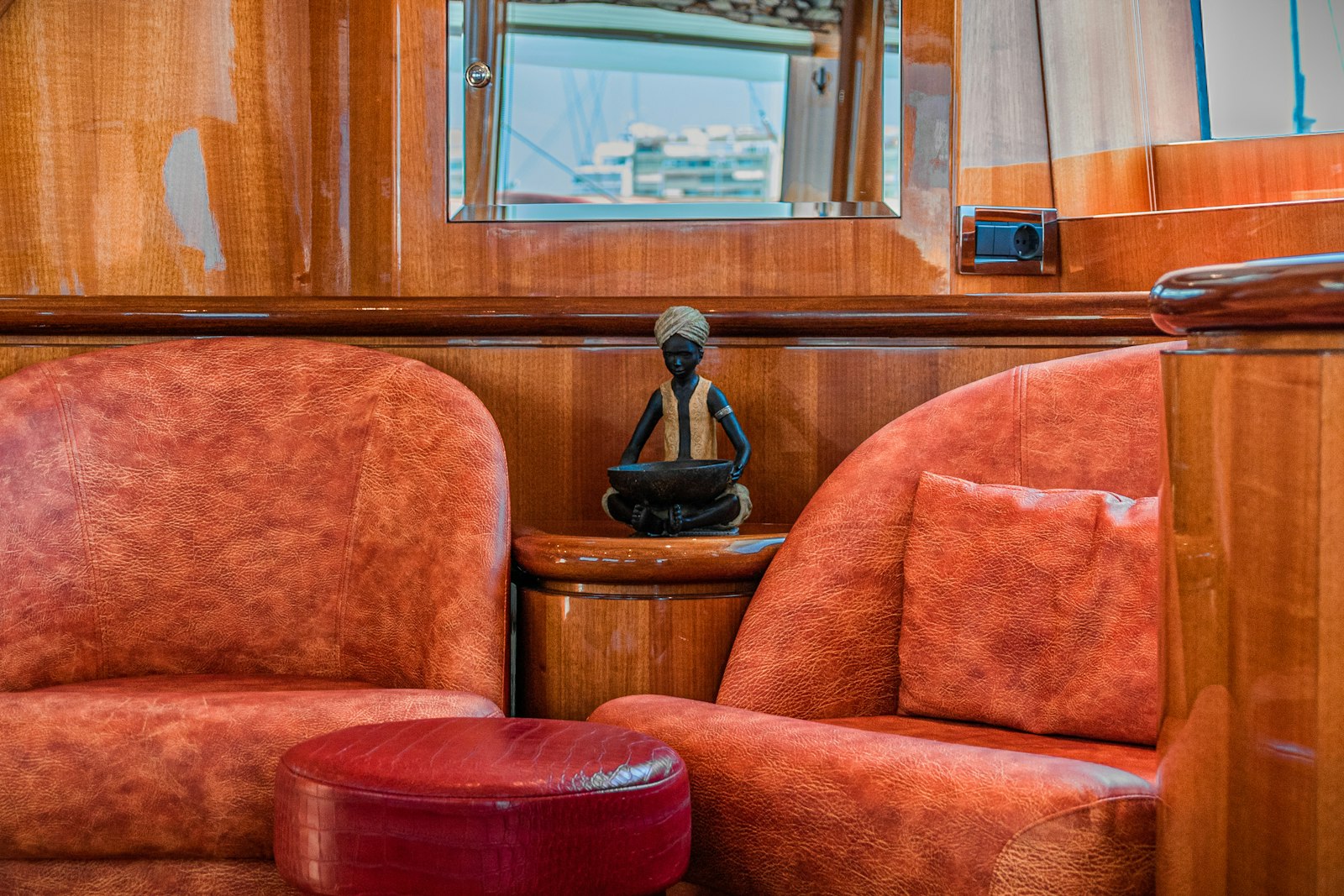
If you are imagining a ship with long hotel corridors and dozens of doors, reset the picture: Bali liveaboard cabins feel more like a compact, wood-panelled guesthouse at sea.
Cabin size and layout realities
Phinisi cabin size and layout are shaped by the hull curve and the practicalities of life at sea. On paper, square metres can sound small; in practice, clever use of built-in furniture makes them workable for travel, not for moving house.
How large are Bali liveaboard cabins, roughly?
Exact numbers vary boat by boat, but as a working range:
- Double / twin cabins: often around the footprint of a modest city hotel room, condensed by built-in storage, typically arranged around a double bed or two singles.
- Master or “suite” cabins: can stretch larger, sometimes across the beam (width) of the vessel, with slightly more floor space and seating.
- Family cabins: often a double bed plus bunk beds, with standing space carefully carved out.
If you are sensitive to tight spaces, we recommend asking for cabin photos and, where available, an approximate floor area before committing.
Typical bed setups
Sleeping onboard a Bali liveaboard usually looks like one of these layouts:
- Double cabin: one fixed double bed against a wall or in an alcove.
- Twin cabin: two single beds; sometimes parallel, sometimes L-shaped.
- Triple / family cabin: double plus a single bunk or two bunks.
- Convertible cabin: twin that can be joined as a double with infill cushions.
Headroom above bunks is one of the first things we check during inspections; some upper bunks are adult-suitable, others are better for children or compact adults.
Windows, portholes and natural light
Cabins on traditional yachts sit low in the hull:
- Lower-deck cabins usually have small portholes, sometimes level with the waterline.
- Main-deck or upper cabins can have larger windows, more light and better airflow.
If natural light matters to you, favour main-deck or upper-deck cabins and request recent photos or a walkthrough video during planning.
Storage, luggage and moving around
Storage is usually built in: under-bed drawers, wall shelves, sometimes a small closet.
To keep things comfortable:
- Bring soft bags, not hard suitcases; they slide under beds more easily.
- Expect to unpack essentials only; the rest can stay packed.
- Prepare for narrower passages between bed and wall than you’re used to on land.
If you want help matching your packing list to liveaboard realities, our separate liveaboard packing guide (linked from our packing article) can help you trim non-essentials.
Ensuite, AC and comfort variables
The biggest comfort differences between Bali liveaboard cabins are:
- Ensuite vs shared bathroom.
- Air-conditioning type and availability.
- Ventilation and noise levels.
Liveaboard ensuite vs shared Bali: how it works
On Bali-based phinisi, you are likely to find one of three setups:
- All cabins ensuite
Every cabin has its own private bathroom with toilet, sink and shower. This is common on newer or higher-comfort boats. - Mixed ensuite and shared
A few larger cabins have ensuites; the remaining cabins share one or two bathrooms down the corridor. - All shared bathrooms
Less common on the boats we typically recommend for Bali departures, but still found on simpler vessels and some budget-focused trips.
Ensuite bathrooms on phinisi tend to be compact, with wet-room style showers (no separate cubicle). Water pressure and temperature depend on the boat’s plumbing and generator capacity, so expect shorter, practical showers rather than long spa sessions.
If privacy is a priority, specify “all-ensuite cabin only” at enquiry stage so we can filter options.
Air-conditioning: what to expect and what to ask
Bali is warm year-round. Sleeping onboard a Bali liveaboard without adequate ventilation or AC can feel uncomfortable for some guests, especially in the lower deck.
You are most likely to see:
- Individually controlled cabin AC: a small wall unit you can adjust yourself.
- Centralised AC zones: control is shared by several cabins; temperature is set centrally by crew.
- Fan plus natural ventilation: more common on simpler boats or open-cabin arrangements.
Key questions we routinely ask operators on your behalf:
- Does AC run all night or only at certain times (for example, off during quiet hours or generator maintenance).
- Are there windows or hatches that open safely at anchor.
- Is AC available in all cabins or only selected ones.
If you run warm or have children who struggle with heat, we will steer you toward yachts with reliable, cabin-specific AC and good ventilation.
Noise, movement and seasickness
Every cabin on a liveaboard moves and makes some noise. Awareness is half the comfort.
Typical patterns:
- Engine noise is greatest in aft lower-deck cabins near the engine room.
- Anchor noise may be more noticeable in the forward-most cabins.
- Motion is usually felt more on the upper decks and at the bow; mid-ship lower cabins often move less.
If you’re prone to seasickness and planning longer crossings (for example, Komodo-ex-Bali itineraries), mid-ship lower-deck cabins can be preferable. We can request cabin location diagrams in advance so you understand where in the hull you will be sleeping.
Communal vs private space onboard
Cabin comfort isn’t only about the room itself. On small yachts, you typically spend more time in shared areas than inside your cabin, especially during daylight hours.
Where you actually spend your time
A standard Bali phinisi layout usually includes:
- Shaded outdoor deck with lounging mattresses or daybeds.
- Indoor salon with seating and dining tables.
- Dining area either inside or on deck, sometimes both.
- Sun deck on top, usually with beanbags or loungers.
During a typical day onboard you might:
- Sleep and change in your cabin.
- Store bags and valuables inside.
- Spend most waking hours on deck, in the salon, snorkelling or on excursions ashore.
That means cabin size matters less than the overall balance of shady, comfortable communal spaces and how many guests share them.
Privacy expectations
On most Bali liveaboards:
- Your cabin door locks; shared walls are relatively thin wood.
- Sound carries more easily than in a hotel.
- Outdoor nooks (for example, a quiet corner of the sun deck) become your “second room”.
If you need more privacy:
- Consider full-boat charter with just your group; you’ll know every voice you hear.
- Ask for cabins away from galley and salon if you’re a light sleeper.
Sleeping outside under the stars
Some guests choose to sleep on deck at anchor: on daybeds, mattresses or beanbags under a light blanket. This is more common on calm, dry nights in season and depends on the boat’s policy and safety considerations.
If this appeals:
- Confirm with the crew once onboard; they will advise based on weather and route.
- Keep your cabin as your base and valuables locked away.
For planning, assume your official sleeping place is your cabin bed; deck sleeping is a flexible extra, not guaranteed.
If you’d like help choosing a boat where the balance between cabin comfort and communal space fits your style, you can plan your trip with us or message our editor desk on WhatsApp at +62 811 3823 875 for tailored options.
Questions to ask before you book
Because we are a concierge and not the boat operator, we approach each liveaboard as a fresh, fact-checking exercise. Here is the core checklist we recommend you use, and that we use on your behalf.
1. Cabin count and guest numbers
Ask:
- How many cabins are on this phinisi?
- What is the maximum number of guests for my departure?
- Is this a private charter or shared (cabin-by-cabin) trip?
Smaller guest numbers relative to communal space usually mean a more relaxed onboard experience.
2. Exact cabin type you’ll receive
On shared departures especially, cabins can differ:
- Deck level (lower / main / upper).
- Bed configuration (double, twin, bunk, family).
- Ensuite vs shared bathroom.
- Window size and light.
Ask for:
- Cabin number and type on your booking.
- Recent photos of that specific cabin, not just “representative” images.
3. Bathroom and hot water setup
To avoid surprises, clarify:
- Is my cabin ensuite or do I share a bathroom?
- How many guests share each bathroom? (if any shared).
- Is hot water available 24/7 or at set times?
On some boats, hot water may be limited when generators are off. This is not inherently a problem; it just helps to know in advance.
4. Air-conditioning and power
Points to establish:
- Is there AC in my cabin?
- Can I control it individually?
- Does AC run through the night?
- Are power outlets available in-cabin for charging, and what plug type is used (Indonesia uses standard European round-pin plugs)?
If you rely on medical devices or CPAP machines, this is critical information. We always flag such requirements clearly to operators before confirming.
5. Motion, noise and location in the hull
If you are sensitive to motion or noise:
- Ask for a cabin mid-ship and away from engine and galley, where possible.
- Clarify if the boat tends to motor at night or mainly in daylight hours.
Routes involving longer stretches to or from Komodo may require more night sailing than shorter Bali-only itineraries, affecting how quiet the nights feel.
6. Safety equipment and access
A few quiet but important checks:
- Is there a clear safety briefing on arrival?
- Where are life jackets stored, and are they easily accessible from cabins?
- Are there smoke alarms or detectors in cabin corridors or key areas?
We verify safety basics with our partner operators, but asking directly can give you confidence and signal to the crew that guests pay attention.
7. What is included in the cabin price
Bali liveaboard prices are almost always by quote, and vary by season, route, and private vs shared charter.
Common inclusions (to be confirmed per boat):
- Cabin accommodation and meals onboard.
- Tea, coffee and drinking water.
- Snorkel gear and basic excursions.
Common exclusions:
- Alcoholic drinks and some soft drinks.
- Marine park fees or harbour taxes (especially around Komodo).
- Dive packages, if offered, and specialist equipment.
For context, as of our last verification in June 2026, private whole-boat liveaboard charters from Bali typically start from the low four-figure USD per night range for simple boats in shoulder periods, and climb into the mid to high four-figure USD per night range and beyond for larger, higher-comfort yachts, premium routing or peak dates. Shared cabin spaces on fixed itineraries can work out lower on a per-person basis, though still generally above budget backpacker expectations. We will always confirm a concrete quote for your exact dates before you commit.
Key cabin features at a glance
Use this as a quick reference checklist as you compare options.
| Feature | What varies between Bali liveaboards |
|---|---|
| Cabin count | Typically 4–8 guest cabins per phinisi; some smaller (3–4), some larger (up to ~10). |
| Cabin type | Double, twin, triple/family, occasional “master” suites; exact mix differs per boat. |
| Bed configuration | Fixed doubles, twin singles, bunks, or convertible twins; check what you will actually receive. |
| Ensuite vs shared bathroom | Some boats are fully ensuite; others mix ensuite and shared; a few have only shared facilities. |
| AC and ventilation | Individually controlled AC, central AC, or fan-and-breeze only; some run AC all night, others limited. |
| Deck level | Lower-deck cabins have smaller portholes and less light; main/upper decks have better views and airflow. |
| Cabin size | Compact but workable; exact square metres vary widely depending on hull design and age. |
| Storage | Under-bed drawers, small wardrobes, shelves; some cabins handle large luggage better than others. |
| Noise and motion | Cabins near engine or bow are louder; upper decks feel more motion; mid-ship lower is usually calmest. |
| Power outlets | Number of sockets, 24/7 availability, and USB ports vary; Indonesia uses European round-pin plugs. |
| Communal space ratio | Size and number of lounges, decks and dining areas; a key factor in comfort on smaller boats. |
How we help you choose the right cabin
Bali Phinisi Charter is an independent concierge and editorial guide. We do not operate the boats; instead, we spend our time:
- Researching the Bali-based liveaboard fleet and their current configurations.
- Clarifying layouts, cabin types and inclusions with operators.
- Matching boats to your group size, comfort preferences and route.
- Coordinating the booking via a vetted local operating partner.
Our editorial rule is simple: no one can pay to change what we publish; if you proceed with our partner they may pay us a referral fee at no extra cost to you.
For cabins specifically, we:
- Translate deck plans and marketing language into plain expectations.
- Flag trade-offs honestly (for example, “great communal space, but compact lower-deck cabins with portholes only”).
- Check special needs such as quiet cabins, families with small children, dive gear storage or photography equipment.
- Remind you of the small things that affect comfort: soft luggage, earplugs, light layers for AC-cool cabins.
For a broader sense of overnight options, you can browse our main overnight and liveaboard guide, and if you are planning an extended route, we also publish practical advice on what to pack for a Bali liveaboard based on current vessels and conditions.
If you’d like personalised cabin recommendations, share your dates, group size and comfort preferences via plan your trip or message us directly on WhatsApp at +62 811 3823 875. We will shortlist aligned boats, explain the cabin layouts in plain English, and connect you to a vetted operating partner to confirm.
FAQs: Bali liveaboard cabins
Are Bali liveaboard cabins suitable for children?
Many are, especially family or triple cabins with bunks. The key is matching your child’s age and sleeping habits to the actual layout and safety features: bed height, railings, bathroom access, and how close you are to your children’s cabin. We routinely request specific cabin photos and suggest configurations that keep families close together with easy nighttime access.
Can I choose a specific cabin on a Bali liveaboard?
On private full-yacht charters, you can usually assign cabins within your group once onboard, subject to safety guidelines. On shared, cabin-by-cabin departures, operators often allocate categories (for example, lower-deck double, upper-deck twin) rather than exact numbers. If you have a strong preference, mention it early so we can check availability before you pay a deposit.
Will I share a cabin with strangers on a Bali liveaboard?
On the routes we most often work with from Bali, cabins are sold on a private basis, even on shared departures: you book a cabin for your party, not a bed in a dorm. There are exceptions on budget or specialist trips, but we will always flag explicitly if a departure uses shared or dorm-style cabins so you can decide comfortably.
Do Bali liveaboard cabins have Wi‑Fi and good signal?
Some yachts now offer basic Wi‑Fi, usually via mobile data, which works near Bali and more populated coastlines but fades on remote stretches or during crossings. In-cabin reception can be weaker than on deck. If connectivity is critical, tell us; we can advise which routes spend more time within mobile range and what to reasonably expect onboard.
How far in advance should I book to get the best cabins?
For popular months (roughly June–September and late December–January), booking 6–9 months ahead gives you better choice of cabin type and deck level, particularly for smaller phinisi with only 4–5 cabins. Outside peak periods, there is more flexibility, but specific requests like all-ensuite or upper-deck cabins still benefit from an earlier enquiry.